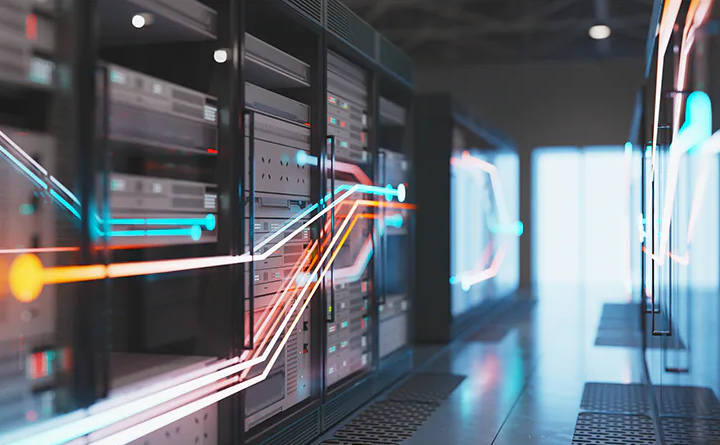
Data centers serve as the backbone of the internet, providing essential infrastructure for data storage and processing. Their design incorporates advanced technology and robust networking capabilities. This architecture enables efficient data management and rapid information exchange across global platforms. However, the increasing demands on these facilities present significant challenges. Understanding these dynamics is critical to comprehending the future of data processing and connectivity in an ever-evolving digital landscape.
The Architecture of Data Centers
The architecture of data centers is a critical element in the efficient operation of modern computing infrastructures.
Effective server design integrates seamlessly with robust network infrastructure, ensuring optimal performance and reliability.
Scalability is paramount, enabling data centers to adapt to fluctuating demands.
Additionally, energy efficiency remains a focal point, as innovative designs reduce operational costs while supporting the freedom of high-availability computing environments.
See also: earnstark
The Role of Data Centers in the Digital Ecosystem
While digital transformation continues to reshape industries, data centers serve as the backbone of the modern digital ecosystem.
They facilitate robust data storage solutions and enable seamless cloud computing services, ensuring that businesses can efficiently manage and access vast amounts of information.
Challenges Facing Modern Data Centers
As organizations increasingly rely on data centers for their operations, they encounter a myriad of challenges that threaten efficiency and performance.
Key issues include energy efficiency, which drives up operational costs, and security concerns that expose sensitive data.
Additionally, scalability issues complicate growth, while inadequate cooling solutions strain infrastructure.
High infrastructure costs and the need for continuous technology upgrades further complicate the landscape, demanding strategic management.
The Future of Data Centers and Data Processing
Emerging technologies and shifting market demands are poised to redefine the landscape of data centers and data processing in the coming years.
Quantum computing promises unparalleled processing power, enabling complex computations previously deemed impossible.
Simultaneously, edge computing facilitates data processing closer to end-users, reducing latency and enhancing efficiency.
Together, these advancements will shape a more agile, responsive, and decentralized data infrastructure, fostering innovation and user autonomy.
Conclusion
In a world where data centers reign supreme, one might wonder if they are the true overlords of the internet or merely the unsung heroes of connectivity. As they juggle power consumption and cooling challenges like circus performers on a tightrope, the future may find them vying for the title of “most essential yet underappreciated infrastructure.” Indeed, as we bask in the glow of our screens, let us spare a thought for the data centers—our silent, tireless sentinels of the digital age.