Late deliveries can quickly create problems for food and beverage businesses. Customers expect orders to arrive within the promised window, while operators need to protect product quality, manage fuel use, and keep drivers moving efficiently. Food & Beverage vehicle tracking can improve on-time delivery by giving dispatchers real-time visibility into vehicle locations, routes, stops, and delays. With better information, teams can respond to traffic issues, adjust routes, and communicate accurate delivery updates before a small delay becomes a larger service problem.
For businesses managing several delivery vehicles, Mileage Tracker can also help connect vehicle movement with mileage records and operational data. The result is better control over daily delivery activity and clearer insight into where time and fuel are being spent.
Why On-Time Delivery Matters in Food and Beverage Operations
Food delivery has a tighter margin for delay than many other types of transportation. Fresh ingredients, prepared meals, beverages, frozen products, and temperature-sensitive goods can all be affected by extended travel times. A delayed vehicle can also cause a chain reaction for the rest of the delivery schedule.
A driver who arrives late at the first stop may reach the second and third stops behind schedule. Dispatchers then have fewer options to correct the problem because they may not know where the vehicle is or why the route is running late.
Vehicle tracking provides a clearer view of delivery activity. Dispatch teams can see vehicle locations and compare actual movement with planned routes. This makes it easier to identify delays early and respond before they affect several customers.
See also: Why Proper Floor Coating Can Improve the Performance of Commercial Facilities
How Vehicle Tracking Supports More Reliable Routes
Route planning is only useful when the plan reflects what happens on the road. Traffic, road closures, construction, missed turns, unexpected stops, and customer access issues can change the expected arrival time.
A tracking system gives dispatchers live information that can be used alongside route plans. If a vehicle is moving slower than expected, the team can identify the affected stops and make adjustments. Another driver may be redirected to a nearby delivery, or customers can receive an updated arrival estimate.
Food and Beverage Fleet Tracking can also reveal recurring route problems. If a particular area regularly causes delays during certain delivery periods, managers can review the route and adjust schedules or stop sequences. Over time, this creates a delivery plan based on actual operating conditions rather than assumptions.
Real-Time Visibility Helps Dispatchers React Earlier
A delivery operation becomes difficult to manage when dispatchers have to rely on phone calls or driver updates to understand vehicle locations. Drivers may be busy unloading products, checking orders, or navigating traffic, making frequent status calls impractical.
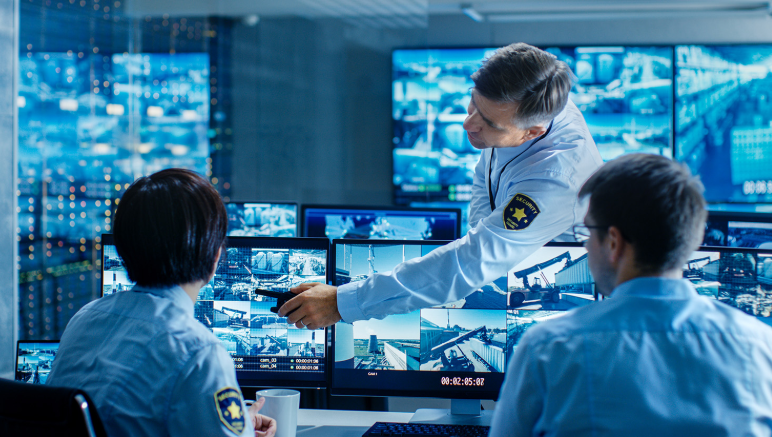
Real-time tracking reduces that communication gap. Dispatchers can view vehicle locations from a central system and identify unusual stops or route deviations. This gives them useful information without requiring drivers to provide constant updates.
The value is especially clear when several deliveries are happening at the same time. A dispatcher can quickly see which vehicles are on schedule and which ones may need attention. That visibility supports faster decisions while allowing drivers to remain focused on safe driving and customer service.
Better Route Decisions Can Reduce Unnecessary Mileage
Extra mileage affects more than fuel usage. Additional driving can increase vehicle wear, extend driver hours, and reduce the number of deliveries a vehicle can complete during a scheduled route.
Tracking data can show where unnecessary mileage occurs. Managers can review routes that include repeated backtracking, excessive idle time, or inefficient stop sequences. The information can then be used to refine future delivery plans.
A Food Truck Tracking App can provide similar visibility for mobile food businesses that move between locations during the day. Knowing where vehicles are located and how they travel helps operators coordinate service locations, supply runs, and repositioning activities.
A Food Mileage Tracker Calculator can also help businesses understand mileage associated with delivery and food service operations. Combining mileage information with route records provides a clearer picture of how vehicle use affects overall operations.
Tracking Helps Manage Delivery Exceptions
Not every late delivery is caused by poor planning. A customer may not be ready to receive an order. A loading area may be blocked. A vehicle may encounter an unexpected road issue. The useful question is not simply why a delivery was late, but what caused the delay and how often similar issues occur.
Vehicle tracking gives managers information that can support that review. Route history can help identify where a vehicle stopped, how long it remained there, and how its movement affected later deliveries.
This information can also improve communication between drivers and dispatch teams. Instead of working from incomplete updates, dispatchers have location data that can help them understand the situation and decide on the next action.
Three Areas Where Tracking Data Can Improve Delivery Operations
- Route performance: Compare planned routes with actual vehicle movement to identify inefficient routes and recurring delays.
- Driver coordination: Monitor vehicle locations so dispatchers can assign tasks and respond to delivery issues with better information.
- Mileage records: Use trip data to review business mileage, route efficiency, and unnecessary vehicle movement.
How Tracking Can Improve Customer Communication
Customers are more likely to have a positive delivery experience when they receive accurate information. A vague delivery estimate can create frustration when an order is delayed without explanation.
Tracking data can support more accurate updates because the business has a clearer view of the vehicle’s current location. Dispatchers can identify delays and provide customers with revised information instead of relying on assumptions.
For businesses delivering to restaurants, retailers, offices, or individual customers, this can also improve coordination at the receiving location. A customer who knows a vehicle is approaching can prepare staff and receiving space in advance.
Better communication does not eliminate delays. It makes them easier to manage and gives customers clearer expectations.
Using Historical Data to Improve Future Delivery Planning
Real-time tracking is useful during active deliveries, but historical information can be just as valuable. Past routes can show patterns that are difficult to identify from individual driver reports.
Managers can examine common delivery areas, frequent delays, repeated route deviations, and mileage trends. These findings can support changes to route sequences, delivery windows, vehicle assignments, and dispatch procedures.
For example, if several routes repeatedly experience delays at the same location, the business can investigate the cause and consider an alternative route or different delivery sequence. If one vehicle consistently travels more miles than others serving similar areas, its route can be reviewed for inefficiencies.
This turns vehicle data into an operational resource rather than simply a map showing where vehicles are located.
Food and Beverage Businesses That Can Benefit
Vehicle tracking can support a wide range of food and beverage delivery operations. Distributors, caterers, restaurants with delivery fleets, food trucks, wholesalers, beverage suppliers, and specialty food businesses can all use vehicle location and trip data to improve coordination.
The needs may differ by business type. A beverage distributor may focus on multi-stop commercial deliveries, while a catering company may need tighter coordination around scheduled events. A food truck may need visibility into vehicle movement between service locations and supply points.
The common requirement is visibility. Managers need reliable information about vehicle activity to make better decisions during and after delivery operations.
What to Look for in a Vehicle Tracking System
The usefulness of tracking depends on the quality of information it provides and how easily the business can use that information. A system should fit the actual workflow of the delivery team rather than create additional administrative work.
Useful capabilities include live vehicle location, route history, trip records, mileage tracking, route deviation alerts, and reporting tools. Mobile access can also help managers check vehicle activity while away from a desk.
Data should be easy to interpret. A system that produces large amounts of information without clear reporting may not provide much practical value. Managers should be able to identify delayed routes, review mileage, and understand vehicle activity without spending excessive time sorting through records.
Bringing Delivery Accuracy and Vehicle Data Together
On-time delivery depends on several factors, including route planning, traffic conditions, driver coordination, customer readiness, and vehicle availability. Tracking cannot control every factor, but it can give delivery teams better information about what is happening on the road.
That information helps businesses identify problems sooner, reduce unnecessary mileage, improve route planning, and communicate more accurately with customers. Historical records can also show patterns that support better decisions for future deliveries.
For food and beverage businesses, reliable vehicle information is particularly useful because delays can affect product quality, customer satisfaction, and the rest of the day’s delivery schedule.
Conclusion
Vehicle tracking can improve on-time food and beverage deliveries by giving dispatchers and managers a clearer view of vehicle locations, routes, mileage, and delivery delays. The real value comes from using that information to make practical decisions, from adjusting inefficient routes to responding faster when a delivery falls behind schedule.
A well-managed tracking system can also connect daily vehicle activity with mileage records and operational reporting. That gives food and beverage businesses a stronger basis for improving delivery performance without relying entirely on manual updates.
The goal is not simply to watch vehicles on a map. It is to use reliable trip information to keep deliveries organized, reduce avoidable delays, and give customers more accurate service. For businesses ready to improve how they manage vehicle activity, Get the plan you need and build a tracking process around the delivery information that matters most.