Activewear should support the activity it is designed for. Running, strength training, yoga, walking, and studio workouts all involve different types of movement, so clothing requirements can vary considerably.
A workout jumpsuit can be a versatile choice, but the ideal design depends on how and where it will be worn.
For Yoga and Stretching
Yoga involves bending, twisting, stretching, and changing positions frequently.
For these activities, flexibility should be a priority.
A jumpsuit made with an appropriate amount of stretch can allow the body to move naturally without the fabric becoming restrictive.
The waistband should also remain comfortable during different poses.
For Strength Training
Strength workouts can involve squats, lunges, lifting, and repeated movement.
Durability is important in this environment.
The garment should have strong construction and fabric capable of handling repeated stretching.
A secure fit can also prevent the clothing from shifting excessively during exercises.
For Walking
Walking is generally lower impact than many gym activities.
Comfort and breathability may therefore be more important than maximum compression or specialized support.
A lightweight jumpsuit can work well for walks, casual outdoor activities, and everyday movement.
For Studio Classes
Dance, Pilates, and other studio classes often combine controlled movements with periods of stretching.
A streamlined one-piece outfit can be convenient because there are fewer separate garments to adjust.
The design should allow movement without creating unnecessary distractions.
For Outdoor Workouts
Outdoor exercise introduces additional considerations.
Weather conditions can change quickly, so layering may be important.
A jumpsuit can be combined with a lightweight jacket during cooler conditions.
For warm-weather activities, breathable fabric becomes particularly valuable.
Consider the Fabric
Fabric has a major influence on workout comfort.
Stretch is useful for movement, while breathable construction can support airflow.
Moisture-managing materials may also help during sweaty sessions.
However, fabric should be selected according to the intensity and duration of the activity.
Think About Fit
Fit should provide a balance between freedom and security.
The garment should not restrict movement, but it should also remain comfortably in place.
Customers should consider how the jumpsuit feels while walking, bending, sitting, and stretching rather than judging the fit only while standing.
Waistband Design
The waistband can influence both comfort and stability.
A secure waistband may help keep the garment in place during movement.
However, excessive tightness can become uncomfortable during longer workouts.
The best design depends on personal preference and activity type.
Consider Coverage
Different activities may require different levels of coverage.
For example, a person practicing yoga may prioritize a design that remains secure during inverted or stretched positions.
Someone using a jumpsuit for casual walking may prefer a different silhouette.
Ease of Movement
The shoulder, hip, and leg areas deserve attention.
A garment should allow natural movement without pulling across the body.
Stretch panels or carefully designed seams can help improve mobility.
Durability
Activewear experiences repeated washing and stretching.
Customers should examine the quality of stitching and construction.
A durable garment can provide better value over time, especially for people who exercise several times a week.
Maintenance
Before purchasing, customers should check care instructions.
Frequent workouts mean frequent washing, so the garment should be practical to maintain.
Following the manufacturer’s recommendations can help preserve elasticity and shape.
Versatility
A jumpsuit can also serve as casual clothing.
A simple design may transition from exercise to errands with the addition of a jacket, sneakers, or other accessories.
This can make it a practical option for people who prefer multifunctional clothing.
Consider Your Workout Routine
Rather than asking which jumpsuit is universally best, customers should consider their personal routine.
Someone who primarily practices yoga may prioritize flexibility.
A runner may care more about breathability and secure construction.
A person who walks and travels may prefer comfort and versatility.
Don’t Ignore Personal Preference
Technical features matter, but the garment should also make the wearer feel comfortable and confident.
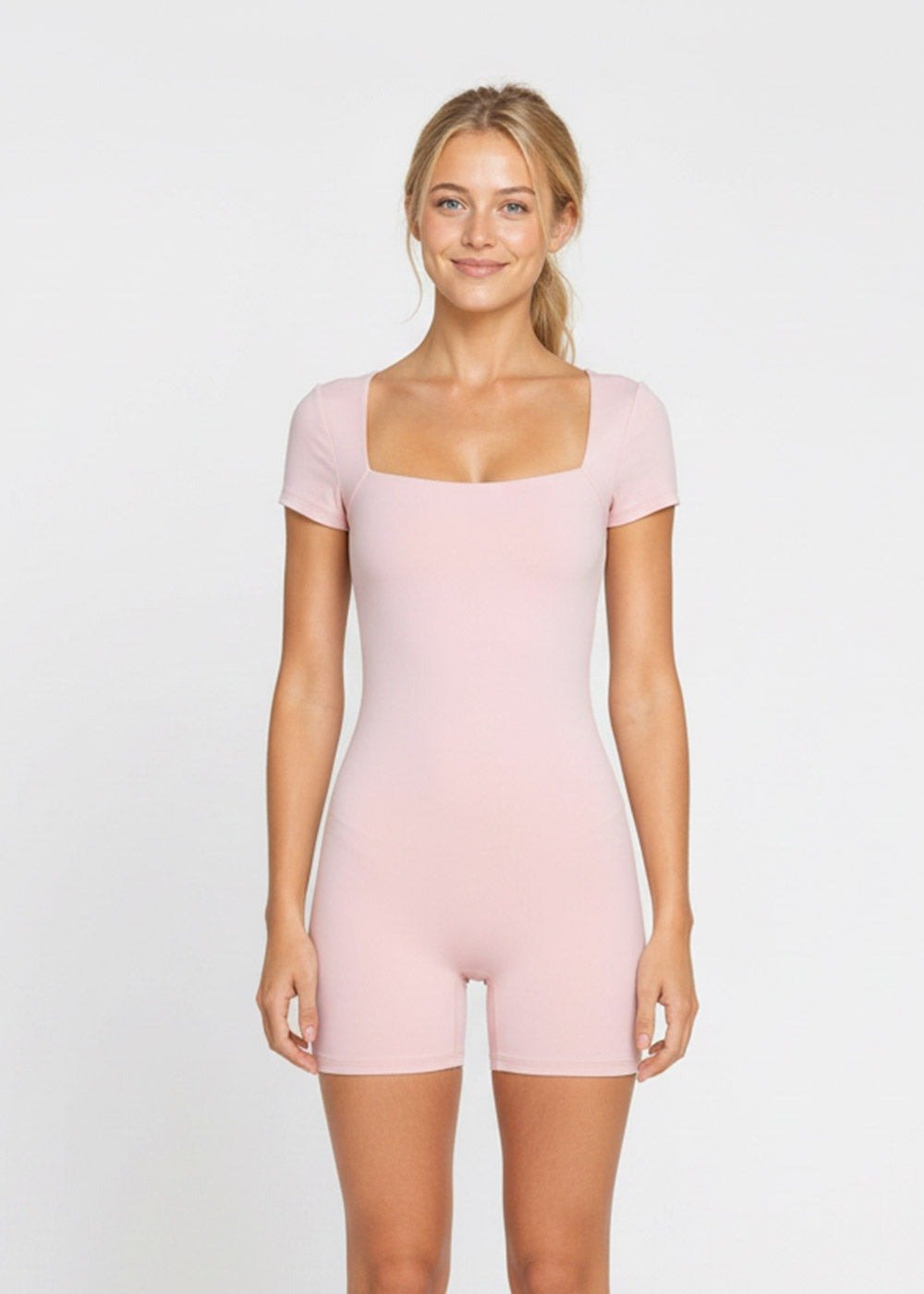
Color, neckline, leg shape, and overall silhouette can influence whether someone enjoys wearing the garment.
A practical piece that fits personal style is more likely to become a regular part of the wardrobe.
Conclusion
Choosing a workout jumpsuit should begin with the type of activity it will support.
Yoga, strength training, walking, studio classes, and outdoor workouts can each require different combinations of flexibility, breathability, support, coverage, and durability.
By considering fabric, fit, construction, maintenance, and personal preferences, shoppers can select activewear that works with their routine instead of simply looking good on a hanger.
The most useful workout clothing is ultimately clothing that allows people to move comfortably, confidently, and naturally throughout their activities.