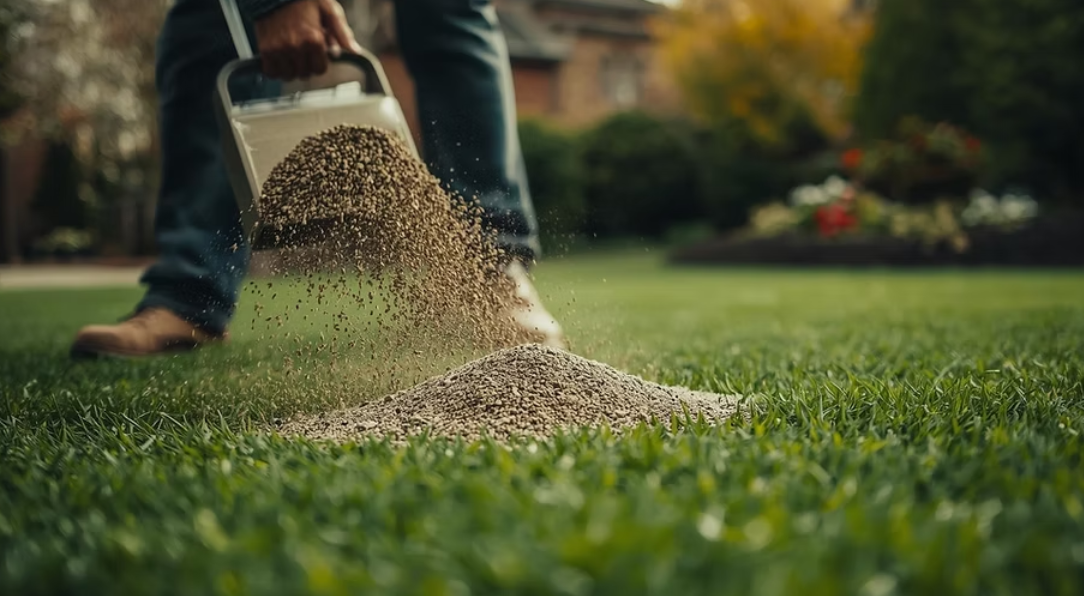
A lush, green lawn does more than improve curb appeal—it creates a welcoming outdoor space for family, friends, and relaxation. However, maintaining healthy grass while keeping unwanted weeds under control can be a challenge. This is where weed and feed becomes an important part of lawn maintenance. By combining fertilizer with weed control, weed & feed helps nourish grass while targeting common broadleaf weeds, making lawn care more efficient.
Whether you are maintaining a small yard or a larger landscape, understanding how weed and feed works can help you achieve stronger, healthier turf throughout the growing season.
What Is Weed and Feed?
Weed and feed is a lawn treatment designed to perform two essential tasks at once. It supplies nutrients that encourage healthy grass growth while controlling many common weeds that compete for sunlight, water, and soil nutrients.
Instead of applying fertilizer and weed control separately, homeowners often choose weed and feed because it simplifies lawn care and saves time.
How Weed and Feed Works
The fertilizer portion strengthens grass by providing nutrients such as nitrogen, phosphorus, and potassium. Meanwhile, the weed control ingredients are absorbed by actively growing weeds, helping eliminate them without damaging healthy turf when used correctly.
A thicker lawn naturally discourages new weeds from establishing, making weed and feed an effective long-term lawn management strategy.
Benefits of Using Weed and Feed
A healthy lawn requires consistent care, and weed and feed offers several advantages.
Promotes Strong Grass Growth
Healthy grass develops deeper roots and grows more evenly when supplied with proper nutrients. Strong turf also tolerates foot traffic, changing weather, and seasonal stress more effectively.
See also: Do You Need Excellent Credit to Qualify Business Funding?
Reduces Weed Competition
Weeds compete directly with grass for moisture and nutrients. By reducing weed populations, weed and feed allows grass to thrive without unnecessary competition.
Saves Time
Instead of scheduling separate fertilizer and weed control applications, weed and feed combines both tasks into one treatment, making seasonal lawn care more convenient.
Improves Lawn Appearance
A well-maintained lawn with fewer weeds creates a cleaner, greener, and more uniform appearance that enhances any property.
When Should Weed and Feed Be Applied?
Timing plays a significant role in achieving the best results with weed and feed.
Spring Applications
Spring is one of the most popular times to apply weed and feed because weeds begin active growth while grass starts recovering after winter. Treating the lawn early encourages healthy growth throughout the season.
Fall Applications
Many homeowners also choose to apply weed and feed during early fall. Cooler temperatures allow grass to strengthen its root system while controlling weeds before winter dormancy.
Preparing Your Lawn Before Application
Proper preparation helps maximize the effectiveness of weed and feed.
Mow Correctly
Avoid cutting the grass too short before treatment. Slightly taller grass allows better absorption while reducing stress on the lawn.
Check Soil Moisture
Some weed and feed products perform best when grass is slightly damp, allowing the weed control ingredients to adhere to weed leaves.
Avoid Heavy Rain
Applying weed and feed immediately before heavy rainfall may reduce its effectiveness by washing nutrients away before they can be absorbed.
Common Lawn Weeds Controlled by Weed and Feed
Many lawns experience recurring weed problems. Weed and feed is commonly used to manage:
- Dandelions
- Clover
- Plantain
- Chickweed
- Broadleaf weeds
- Certain creeping weeds
Removing these weeds allows grass to receive more sunlight, water, and nutrients.
Tips for Long-Term Lawn Success
Using weed and feed is only one part of maintaining an attractive lawn. Healthy lawn care habits improve long-term results.
Water Deeply
Deep watering encourages stronger root development compared to frequent shallow watering.
Mow Regularly
Maintain an appropriate mowing height throughout the growing season to reduce lawn stress.
Improve Soil Health
Healthy soil supports stronger grass growth and naturally limits weed establishment.
Overseed Thin Areas
Filling bare patches with new grass seed helps create a thicker lawn that crowds out future weeds.
Common Mistakes to Avoid
Many lawn issues occur because of improper application rather than the product itself.
Some common mistakes include:
- Applying weed and feed at the wrong time.
- Using more than the recommended amount.
- Treating drought-stressed grass.
- Ignoring proper watering guidelines.
- Expecting immediate overnight results.
Following seasonal recommendations helps achieve healthier lawns with fewer weeds over time.
Why Healthy Grass Naturally Prevents Weeds
Dense, vigorous grass forms a natural barrier against weeds. Thick turf shades the soil, reducing opportunities for weed seeds to germinate.
When combined with regular mowing, watering, and seasonal fertilization, weed and feed becomes part of a complete lawn care program rather than a standalone solution.
Conclusion
A beautiful lawn begins with consistent maintenance and proper planning. Weed and feed offers an efficient way to nourish grass while reducing common weeds, allowing lawns to become thicker, greener, and healthier throughout the growing season.
By applying weed and feed at the appropriate time, following proper lawn care practices, and maintaining healthy soil, homeowners can enjoy long-lasting results. With patience and routine maintenance, weed and feed helps create an attractive lawn that remains resilient through changing seasons.