Introduction
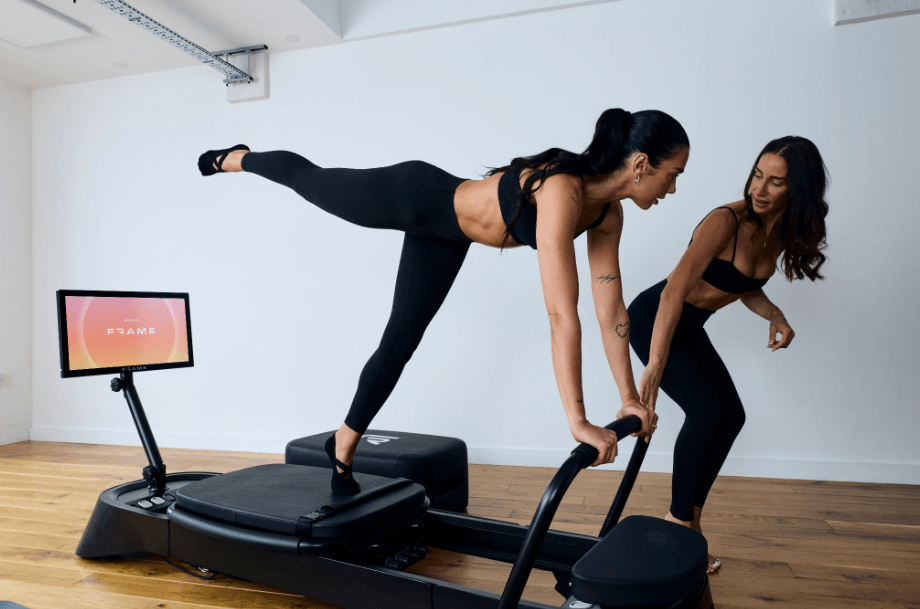
A strong core and good posture are essential for maintaining a healthy, balanced body. Modern lifestyles often involve long hours of sitting, working on screens, and reduced physical activity, which can lead to poor posture, muscle weakness, and discomfort. This is where a Pilates reformer can become an effective tool for improving strength, flexibility, and body awareness.
Unlike traditional floor based exercises, a Pilates reformer provides a unique combination of resistance, support, and controlled movement. The moving carriage, springs, straps, and adjustable components allow users to perform a wide range of exercises that engage deep stabilizing muscles. These movements do not focus only on building visible muscles but also improve alignment, coordination, and overall functional strength.
Whether you are a beginner or an experienced fitness enthusiast, learning the right exercises can help you maximize the benefits of this versatile equipment. This guide explores some of the most effective Pilates reformer exercises that can enhance your core stability and create better posture over time.
Understanding How the Reformer Supports Core Strength
The core is much more than the abdominal muscles that appear on the surface. It includes a complex network of muscles around the abdomen, back, pelvis, and hips that work together to stabilize the body. A weak core can contribute to lower back discomfort, poor balance, and incorrect posture.
Reformer based movements are designed to activate these deep muscles through slow, controlled exercises. The spring resistance creates a challenge while also offering support, allowing users to move with proper alignment.
One of the biggest advantages of training with a Pilates reformer is that it encourages mindful movement. Every exercise requires attention to breathing, positioning, and muscle engagement. Over time, this develops greater awareness of how the body moves throughout everyday activities.
The Importance of Posture and Alignment
Good posture is not simply about standing upright. It involves maintaining the correct relationship between the spine, shoulders, neck, and pelvis. Proper alignment allows the body to distribute pressure efficiently and reduces unnecessary stress on joints and muscles.
Poor posture can develop from habits such as slouching while sitting, looking down at mobile devices, or carrying stress in the shoulders. A consistent Pilates routine can help strengthen the muscles responsible for maintaining an upright position while improving flexibility in areas that tend to become tight.
The controlled movements performed on the reformer encourage a neutral spine and proper body mechanics, making it a valuable practice for long term postural improvement.
Footwork for a Stable Foundation
Footwork is often one of the first exercises performed during a reformer session. Although it may appear simple, it creates an important foundation for core activation and body alignment.
During footwork, the individual lies on the carriage with the feet placed on the foot bar. By pressing the carriage away and returning with control, the legs work against spring resistance while the abdominal muscles stabilize the torso.
Regular footwork practice helps improve lower body strength, joint alignment, and awareness of how the feet and hips contribute to overall posture.
The Hundred for Deep Core Activation
The Hundred is one of the most recognizable Pilates exercises and can be adapted effectively on a reformer.
In this movement, the legs are lifted while the arms perform small pumping actions as controlled breathing patterns are maintained. The exercise requires the abdominal muscles to remain engaged throughout the sequence.
The Hundred improves endurance in the core muscles and teaches the body how to maintain stability during movement. It also promotes better breathing control, which plays an important role in maintaining a relaxed and aligned posture.
Leg Circles for Stability and Control
Leg circles challenge the ability to maintain a stable pelvis while the legs move through different directions.
Using the straps attached to the reformer, the legs create smooth circular movements while the abdominal muscles prevent unnecessary movement in the lower back. This exercise improves coordination, strengthens the hips, and develops deeper core engagement.
Proper control is more important than creating large movements. Small and precise circles often provide greater benefits for maintaining spinal stability.
Short Box Series for Better Spinal Support
The short box series includes a variety of seated exercises performed on a box placed on the reformer carriage. These movements challenge balance and strengthen the muscles surrounding the spine.
Exercises in this series may involve controlled forward bends, side movements, and rotational actions. They require the individual to maintain an elongated spine while activating the abdominal and back muscles.
The short box series is especially beneficial for people looking to improve posture because it develops strength in the muscles that support an upright seated and standing position.
See also: The Role of Technology in Mental Health Support
Elephant Exercise for Postural Awareness
The elephant exercise focuses on lengthening the back of the body while improving shoulder and core stability.
In this position, the individual stands on the carriage with hands placed on the foot bar and hips lifted into a controlled position. The carriage moves with the assistance of the legs while the spine remains long and stable.
This exercise encourages awareness of spinal alignment and helps strengthen the muscles that support the shoulders and core.
Long Stretch for Full Body Strength
The long stretch is an advanced movement that combines upper body strength with deep core engagement.
Similar to a plank position, the body remains in a straight line while the carriage moves forward and backward. The challenge is to maintain stability without allowing the hips or shoulders to lose alignment.
This exercise develops strong abdominal muscles, improves shoulder stability, and reinforces proper body positioning.
Swan Exercise for a Stronger Back
Many people focus only on abdominal training when trying to improve their core, but the muscles along the back are equally important.
The swan exercise strengthens the spinal extensors and encourages an open chest position. It can be particularly helpful for individuals who spend many hours sitting with rounded shoulders.
By improving the strength of the upper and lower back, the swan contributes to better posture and a more balanced body.
Side Splits for Balance and Coordination
Side splits are performed while standing on the reformer carriage and involve moving the legs apart and together against spring resistance.
This exercise strengthens the inner and outer thigh muscles while requiring continuous engagement of the core to maintain balance.
The improved stability developed through side splits can support better movement patterns during daily activities.
How Often Should You Practice Reformer Exercises
Consistency is one of the most important factors when working toward improved core strength and posture. Many people notice positive changes by practicing reformer exercises two to three times each week.
The body needs time to adapt to new movement patterns, so gradual progression is recommended. Beginners should focus on mastering proper technique before increasing resistance or attempting more challenging exercises.
Working with controlled movements and correct breathing will provide greater benefits than performing exercises quickly without attention to alignment.
Common Mistakes to Avoid During Reformer Training
While reformer exercises are highly effective, incorrect technique can limit results. One common mistake is relying on momentum rather than controlled muscle engagement. Each movement should be performed with awareness and precision.
Another mistake is holding tension in the neck and shoulders. The goal is to keep these areas relaxed while allowing the core muscles to provide stability.
Improper breathing can also affect performance. Coordinating breath with movement helps maintain focus and supports effective muscle activation.
Combining Reformer Work with a Healthy Lifestyle
Exercise alone is only one part of maintaining a strong and well aligned body. Proper hydration, balanced nutrition, sufficient rest, and regular movement throughout the day contribute to overall physical health.
Taking breaks from prolonged sitting, maintaining ergonomic work positions, and practicing mindful posture can complement the improvements gained from reformer training.
Over time, the combination of consistent exercise and healthy daily habits can lead to greater comfort, confidence, and mobility.
Conclusion
The right Pilates reformer exercises can create significant improvements in both core strength and posture. By focusing on controlled movements, proper breathing, and correct alignment, individuals can build a stronger foundation that supports everyday activities. If you are looking for expert guidance, high quality Pilates equipment, or personalized recommendations to begin your fitness journey.
Exercises such as footwork, the hundred, leg circles, short box movements, elephant, long stretch, swan, and side splits each provide unique benefits for developing stability and balance. With regular practice and patience, these exercises can help create a more aligned posture, increased body awareness, and improved overall strength.
A consistent approach to Pilates training offers more than physical changes. It encourages mindful movement, better coordination, and a deeper connection between the body and mind, making it a valuable addition to any long term wellness routine.