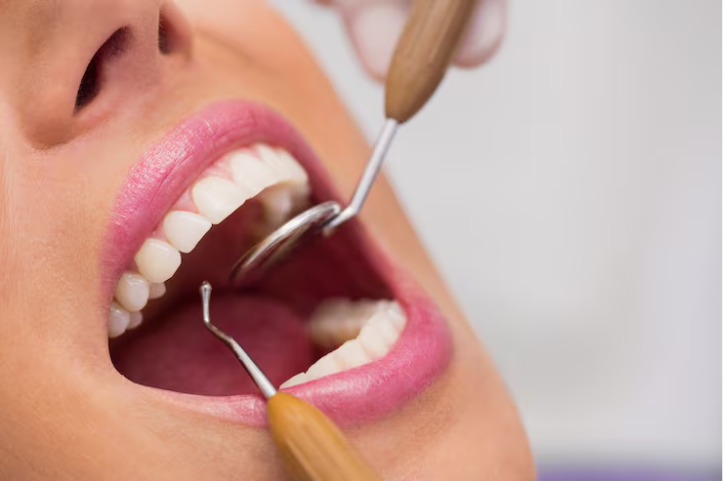
A small cavity can become a much larger dental problem even when the tooth feels completely normal. Tooth decay often develops quietly, and pain may not appear until the damage reaches deeper layers of the tooth. Seeing a dentist in Tysons can help identify decay early, before it progresses into infection, a weakened tooth, or the need for more extensive treatment. At G4 Dental Implants, recognizing early changes in oral health is an important part of protecting natural teeth.
Why a Cavity May Not Hurt at First
Tooth decay does not usually cause immediate pain. It begins when bacteria in dental plaque produce acids that gradually remove minerals from the tooth’s enamel. At this stage, the affected area may be small and cause no noticeable sensation.
Enamel is the hard outer covering of a tooth and does not contain nerves. A small cavity limited to this layer may therefore remain painless. You may notice a tiny spot, discoloration, or rough area, but there may be no discomfort during eating or brushing.
As decay progresses, it can move through the enamel and into dentin, the softer layer underneath. Dentin contains microscopic channels that can make the tooth more sensitive to temperature, sweets, or pressure. Even then, symptoms are not guaranteed. Some cavities continue progressing without producing obvious warning signs.
That quiet progression is one reason a painless cavity should not be treated as harmless. The absence of pain tells you very little about how far decay has advanced.
What Happens If a Small Cavity Is Left Alone?
A cavity does not normally repair itself once a permanent hole has formed in the tooth. Early mineral loss can sometimes be managed with fluoride and improved oral hygiene, but established decay generally requires professional evaluation and treatment.
As bacteria continue breaking down tooth structure, the cavity can become deeper and wider. More healthy enamel and dentin are lost, leaving the tooth less able to withstand normal chewing forces.
Several changes can occur as untreated decay progresses:
- The cavity can become larger and weaken the tooth.
- Decay can reach the pulp, where the tooth’s nerves and blood vessels are located.
- A deep infection can develop around the root if bacteria enter the pulp.
A tooth that once looked like it had only a minor defect can eventually develop a crack, fracture, significant sensitivity, or an abscess. At that point, treatment may involve more than simply removing a small area of decay.
Why Pain Can Appear Suddenly
One of the confusing aspects of tooth decay is that symptoms do not always increase gradually. A person may feel nothing for a long period and then develop significant discomfort after the decay reaches the inner part of the tooth.
The pulp contains nerves and blood vessels. When decay gets close to or enters this area, inflammation can cause sensitivity or pain. The discomfort may occur when drinking something hot or cold, eating sweet foods, biting down, or even while resting.
Pain can also be a sign that inflammation has progressed beyond the original cavity. In some cases, an infection can develop inside the tooth and spread toward the surrounding tissues.
A tooth infection may produce swelling, tenderness, an unpleasant taste, drainage, or a pimple-like bump on the gum. Fever or swelling around the face can indicate a more serious infection that needs prompt dental attention.
Interestingly, severe decay does not always mean severe pain. If the pulp becomes badly damaged or the nerve loses its ability to respond, pain can decrease even though the infection remains. A reduction in symptoms is not necessarily evidence that the problem has resolved.
How Dentists Find Cavities Before They Hurt
Dental examinations are designed to identify changes that may not be visible or noticeable at home. A dentist may inspect the tooth surfaces for discoloration, softened areas, pits, grooves, or visible damage.
Dental X-rays can also provide information about areas that are difficult to see directly, including decay between teeth. The type of imaging used depends on the tooth, the suspected problem, and the findings from the clinical examination.
Your dentist may also consider your oral hygiene, previous dental history, diet, fluoride exposure, dry mouth, and other factors that can increase the likelihood of tooth decay.
Early detection gives you more information about the condition of the tooth before symptoms become disruptive. It also allows the dentist to determine if the area represents active decay, an early mineral change, staining, or another dental concern.
Can an Early Cavity Be Reversed?
Not every early sign of tooth decay means a permanent cavity has already formed. In its earliest stage, decay can appear as demineralization, sometimes seen as a chalky white area on the enamel.
At this point, the tooth may still be able to regain minerals through saliva and fluoride exposure. Good brushing with fluoride toothpaste, appropriate flossing, and professional guidance can help slow or stop the progression of early enamel changes.
Once a true cavity has formed and tooth structure has been lost, however, the missing structure cannot simply grow back. The dentist must assess the depth and location of the decay and determine the appropriate treatment.
This distinction matters because waiting for pain can mean waiting until the decay has progressed beyond the earliest stage.
Why Waiting Can Make Treatment More Complicated
A small cavity may involve only a limited amount of tooth structure. As decay spreads, more of the tooth may need to be removed to eliminate the affected tissue and restore the tooth’s shape and function.
A deeper cavity may require treatment that addresses the inner part of the tooth. If the tooth becomes severely weakened, it may also need additional protection to reduce the risk of fracture.
G4 Dental Implants focuses on evaluating dental concerns based on the condition of the tooth rather than relying only on symptoms. A painless cavity still deserves attention because the visible size of a cavity does not always reveal how far decay has traveled beneath the surface.
The location of the cavity also matters. Decay between teeth, around existing restorations, or near the gumline can be difficult to judge without a professional examination.
See also: The Role of Technology in Mental Health Support
Signs That a Painless Cavity May Be Progressing
Some changes can indicate that decay is becoming more advanced. These signs do not always appear, but noticing them should prompt a dental evaluation.
- New sensitivity to cold, heat, sweets, or pressure
- A visible dark, white, brown, or rough area on the tooth
- Food repeatedly becoming trapped in the same location
Persistent, bad taste, gum swelling near a tooth, pain when biting, or unexplained tenderness deserves particular attention. These symptoms can have several causes, so an examination is needed to identify the source.
It is also possible to have advanced decay without any of these symptoms. Regular dental examinations remain useful because they can identify problems before the person notices a change.
What You Can Do to Protect a Tooth with Early Decay
Daily oral care helps reduce the conditions that allow cavities to develop and progress. Brushing twice a day with fluoride toothpaste helps remove plaque and strengthens enamel. Cleaning between the teeth removes plaque from surfaces that a toothbrush cannot reach effectively.
Diet also influences cavity development. Frequent exposure to sugary or acidic foods and drinks can create repeated periods of acid attack on the teeth. Choosing balanced meals and limiting frequent snacking can reduce these repeated exposures.
Saliva naturally helps protect teeth by washing away food particles and supplying minerals. Dry mouth can increase cavity risk because there is less saliva available to perform these protective functions. Certain medications, medical conditions, and dehydration can contribute to dry mouth, so persistent dryness should be discussed with a dental or medical professional.
Most importantly, do not use the absence of pain as a reason to postpone an examination. A cavity can remain quiet while continuing to damage the tooth.
Protecting the Tooth Starts Before Pain Appears
A painless cavity is still a dental problem, and waiting for discomfort can allow decay to move deeper into the tooth. Early decay may sometimes be managed with preventive measures, but a formed cavity generally needs professional treatment to stop further structural damage.
Regular dental examinations, fluoride use, careful cleaning between teeth, and attention to changes in the mouth can all support better oral health. If you notice a suspicious spot or have been told that you have early decay, getting it assessed gives you a clearer picture of what is happening inside the tooth.
Taking action before a cavity reaches the nerve can help preserve more natural tooth structure and reduce the chance of complications. If you have noticed a cavity, discoloration, sensitivity, or another change in a tooth, Contact Us Today to arrange an evaluation and take the next step toward protecting your smile.