The integration of technology into public safety has transformed how communities manage emergencies and crime prevention. Advanced surveillance tools, real-time communication systems, and predictive analytics play pivotal roles in enhancing response efficiency and threat identification. However, these innovations also raise critical questions about privacy and civil liberties. As society navigates these complexities, it becomes imperative to examine both the benefits and challenges posed by technological advancements in ensuring public safety. What implications might arise as this trend continues?
Advancements in Surveillance Technology
As public safety increasingly relies on technological innovations, advancements in surveillance technology have become pivotal in enhancing security measures.
Facial recognition systems, equipped with smart sensors, enable rapid identification of individuals in crowded spaces, thereby improving crime prevention efforts.
These technologies, while effective, raise important questions about privacy and civil liberties, demanding a balance between safety and the freedom individuals cherish.
See also: earnstark
Real-Time Communication Tools for Emergency Response
Effective emergency response hinges on the ability to communicate swiftly and clearly among first responders and command centers.
Mobile apps facilitate this need by delivering instant alerts, enhancing situational awareness. These tools enable seamless information sharing, ensuring that personnel are informed in real-time.
Ultimately, the integration of such technologies empowers responders to act decisively, fostering a safer environment for all.
Predictive Analytics in Crime Prevention
While crime is an ever-present challenge for communities, the advent of predictive analytics offers a transformative approach to crime prevention.
Through crime forecasting, law enforcement can identify potential hotspots and allocate resources more effectively.
However, this proactive strategy raises concerns about data privacy, as reliance on vast amounts of personal information necessitates a balance between public safety and individual rights.
Drones and Their Role in Search and Rescue Operations
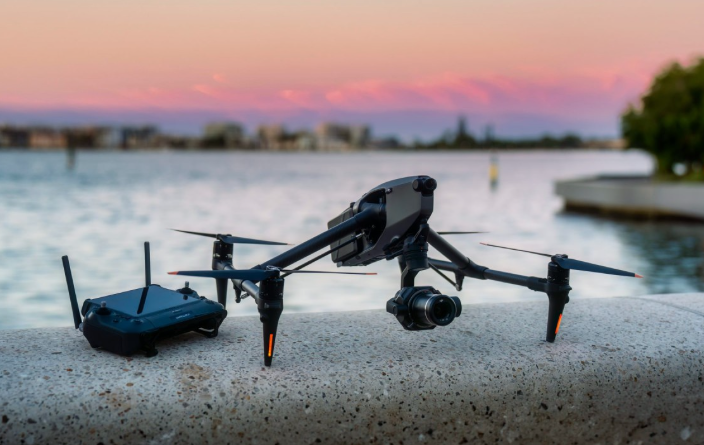
Drones have emerged as pivotal tools in search and rescue operations, enhancing the efficiency and effectiveness of these critical missions.
Their advanced drone capabilities allow for swift aerial mapping of disaster zones, providing rescuers with real-time data. This technology not only accelerates locating missing individuals but also aids in assessing hazardous environments, ultimately improving safety for both victims and rescue teams.
Conclusion
In conclusion, the integration of technology in public safety significantly enhances emergency response and crime prevention efforts. For instance, studies indicate that cities employing predictive analytics have seen up to a 30% reduction in certain types of crime. However, as these technologies evolve, it is imperative to address the accompanying privacy concerns to maintain public trust. Balancing innovation with individual rights will be essential for fostering a safer and more equitable society.