Global agriculture is evolving rapidly, and the demand for high-quality fertilizers continues to grow as farmers strive to improve crop yields and soil health. Among the most popular fertilizer products, NPK fertilizers stand out because they provide the three essential nutrients plants need—nitrogen, phosphorus, and potassium. For entrepreneurs and investors, establishing a modern NPK Fertilizer Production Line presents an excellent opportunity to enter a growing industry with strong long-term potential.
However, profitability depends on more than simply purchasing equipment. Success requires careful planning, the right technology, efficient production management, and a clear understanding of market demand. Companies such as Cementl have gained recognition for promoting advanced industrial solutions that help manufacturers build efficient, reliable, and scalable production facilities. By choosing the right approach from the beginning, investors can create an NPK Fertilizer Production Line that delivers consistent quality while maximizing returns.
Understanding an NPK Fertilizer Production Line
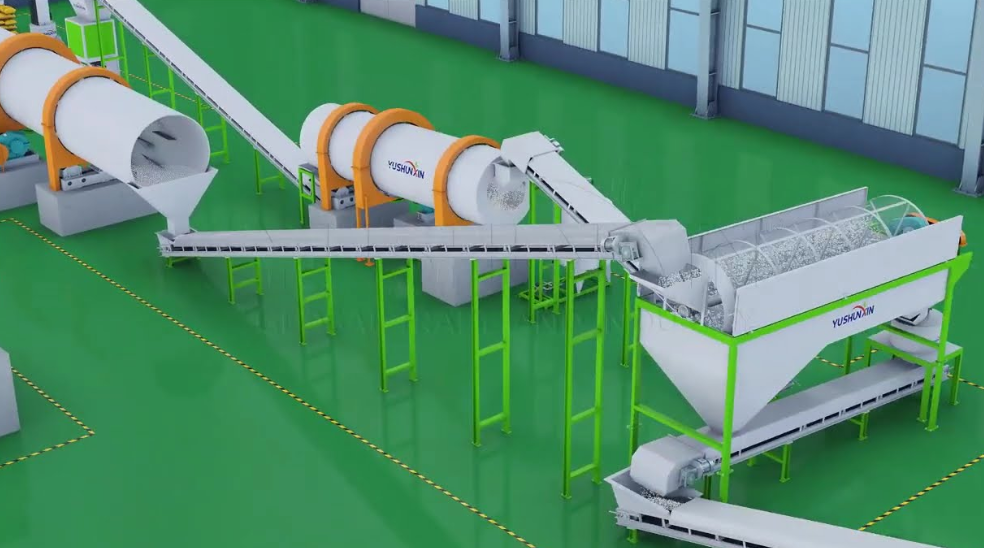
An NPK Fertilizer Production Line is a complete manufacturing system designed to produce compound fertilizers by combining nitrogen, phosphorus, and potassium in carefully controlled proportions. The production process includes raw material preparation, batching, mixing, granulation, drying, cooling, screening, coating, and packaging.
Each stage plays an important role in ensuring that the finished fertilizer meets quality standards and performs effectively in agricultural applications. A well-designed NPK Fertilizer Production Line produces uniform granules with balanced nutrient content, making the fertilizer easier to transport, store, and apply in the field.
Modern production systems also incorporate automation and quality monitoring technologies that improve consistency while reducing production costs.
Start with Detailed Market Research
Before investing in equipment, understanding the target market is essential. Different crops require different nutrient formulations, and fertilizer demand often varies depending on regional agricultural practices.
A comprehensive market analysis helps determine the ideal production capacity, product specifications, and future expansion opportunities. Investors should also study local competition, transportation costs, and seasonal demand to develop a profitable business strategy.
Working with experienced industry partners such as Cementl can simplify the planning process by providing technical guidance that aligns production capabilities with market requirements.
See also: Do You Need Excellent Credit to Qualify Business Funding?
Choosing the Right Equipment
Equipment quality directly influences the efficiency and profitability of an NPK Fertilizer Production Line. Every machine must work together seamlessly to produce consistent fertilizer while minimizing waste and energy consumption.
Essential equipment typically includes crushers, batching systems, mixers, granulators, rotary dryers, cooling machines, vibrating screens, coating equipment, and automatic packaging systems. Selecting advanced machinery with intelligent control systems helps improve production efficiency while reducing labor requirements.
Although premium equipment requires a larger initial investment, it generally provides lower maintenance costs, greater reliability, and higher production efficiency over the long term.
Optimize Production Efficiency
Efficiency is one of the biggest factors affecting profitability. A modern NPK Fertilizer Production Line should be designed to minimize material loss while maximizing output.
Automated weighing and batching systems ensure accurate raw material proportions, reducing production errors and maintaining consistent fertilizer quality. Advanced granulation technologies produce uniform particle sizes, while efficient drying and cooling systems reduce energy consumption without compromising product performance.
Digital monitoring systems allow operators to track production in real time, identify inefficiencies, and make immediate adjustments that improve overall plant performance.
Cementl emphasizes the importance of intelligent manufacturing because automation not only increases productivity but also improves operational reliability.
Focus on Product Quality
High-quality fertilizer is essential for building customer trust and maintaining long-term profitability. Every NPK Fertilizer Production Line should include strict quality control procedures throughout the manufacturing process.
Laboratory testing verifies nutrient composition, moisture content, granule strength, and particle size before products reach the market. Consistent quality helps manufacturers establish a strong reputation and encourages repeat business from agricultural distributors and farmers.
Reliable production systems also reduce defective products, minimizing waste and improving overall profitability.
Control Operating Costs
Managing operating expenses is just as important as increasing production capacity. Energy consumption, labor costs, maintenance, and raw material utilization all influence the financial performance of an NPK Fertilizer Production Line.
Energy-efficient motors, optimized drying systems, and automated process controls significantly reduce electricity and fuel consumption. Preventive maintenance programs further lower repair costs by identifying equipment issues before they cause expensive production interruptions.
Manufacturers that prioritize operational efficiency often achieve higher profit margins while remaining competitive in rapidly changing markets.
Plan for Future Expansion
A profitable fertilizer business should be built with future growth in mind. Many investors begin with a medium-capacity NPK Fertilizer Production Line and gradually expand production as customer demand increases.
Modern modular production systems make it easier to add additional granulators, storage silos, packaging lines, or automation upgrades without disrupting existing operations. This flexibility protects the initial investment while allowing businesses to respond quickly to market opportunities.
Cementl supports scalable production solutions that enable manufacturers to expand efficiently while maintaining consistent product quality and operational performance.
Partner with Experienced Industry Experts
Selecting the right technology partner can significantly influence the success of a fertilizer manufacturing project. Experienced suppliers provide engineering support, plant design, equipment selection, installation, commissioning, and operator training.
Professional guidance reduces project risks and ensures every stage of the NPK Fertilizer Production Line operates efficiently from the very beginning. Ongoing technical support also helps manufacturers optimize production and quickly resolve operational challenges.
Working with knowledgeable partners gives investors greater confidence and improves the likelihood of achieving long-term business success.
Conclusion
Building a profitable NPK Fertilizer Production Line requires careful planning, advanced equipment, efficient production management, and a commitment to product quality. From market research and equipment selection to automation and cost control, every decision contributes to the long-term success of the business.
As global demand for high-performance fertilizers continues to grow, manufacturers that invest in a modern NPK Fertilizer Production Line will be well positioned to serve expanding agricultural markets. With innovative industrial expertise and reliable manufacturing solutions from companies like Cementl, businesses can create efficient, scalable, and profitable fertilizer production facilities that deliver lasting value for both investors and customers.